technology
-
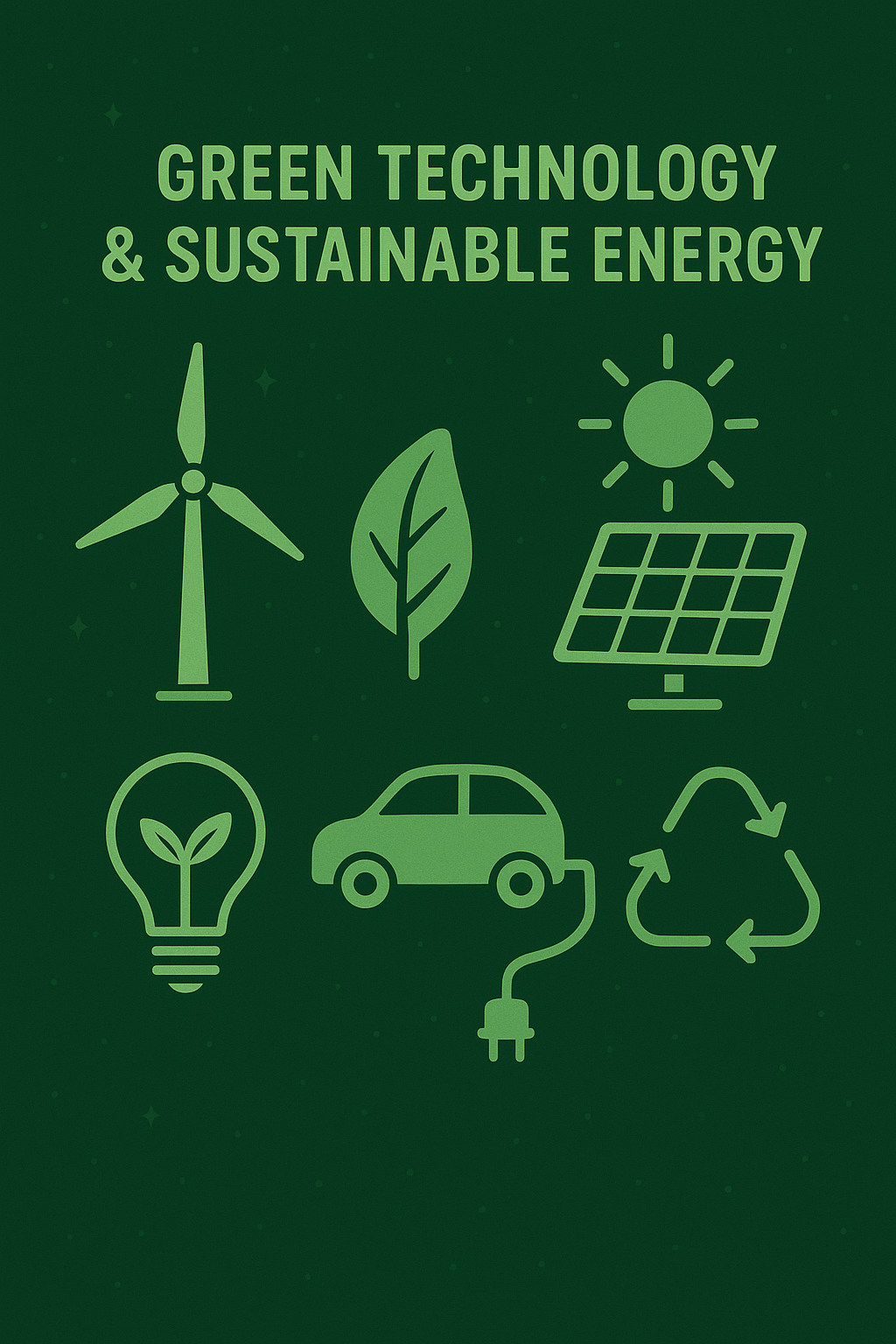
Green Technology & Sustainable Energy
Green Technology (Greentech) refers to the application of science, innovation, and engineering to create environmentally friendly solutions that reduce pollution, conserve natural resources, and promote sustainability. Sustainable Energy refers to energy sources and systems that meet present needs without compromising the ability of future generations to meet theirs — emphasizing renewability, efficiency, and low carbon…
-
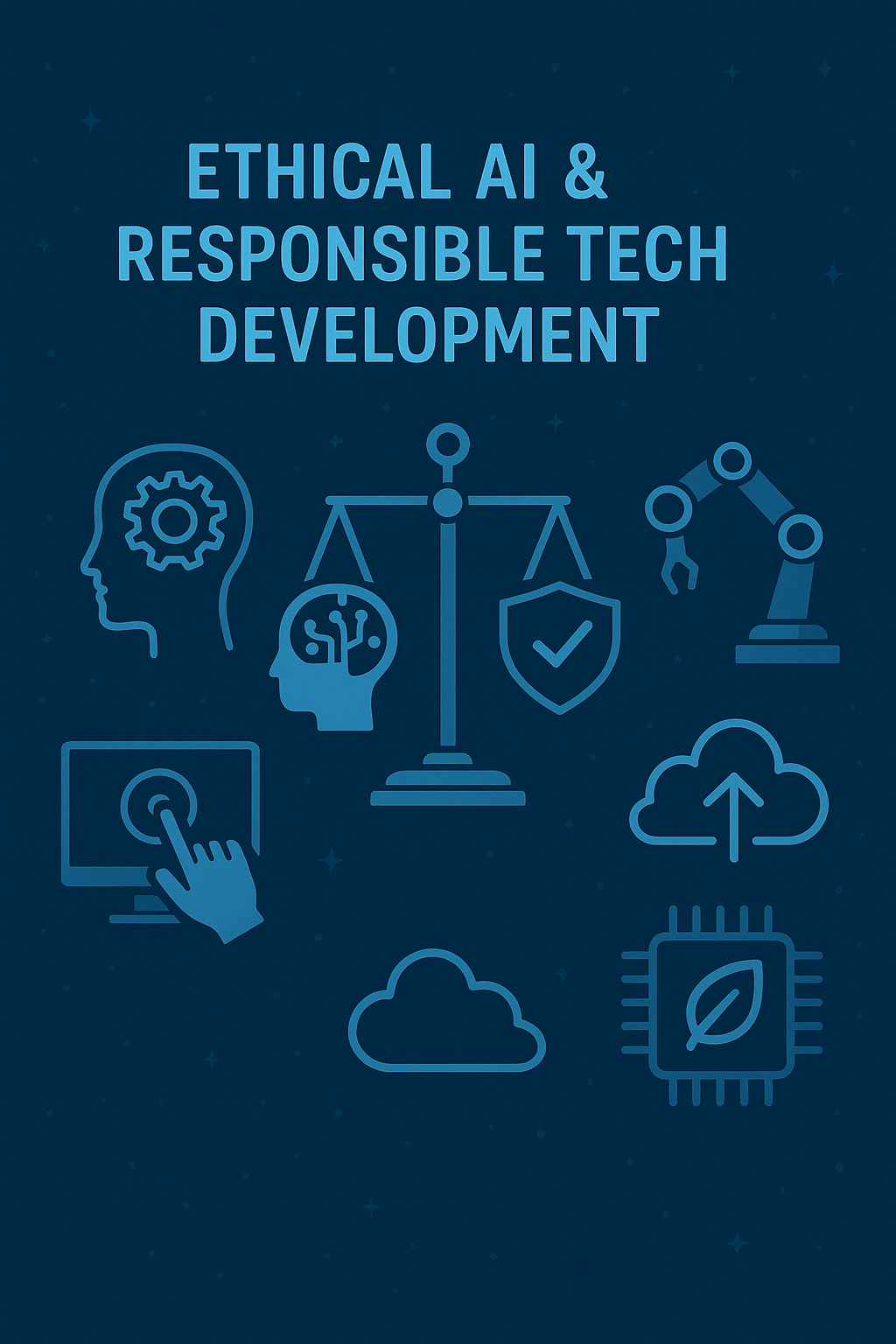
Ethical AI & Responsible Tech Development
Ethical AI refers to the design, development, and deployment of artificial intelligence systems that align with human values, respect rights, ensure fairness, and promote social good — while minimizing harm. Responsible Tech Development. Responsible Technology Development means creating, deploying, and managing technology (AI, robotics, biotech, IoT, etc.) in a transparent, accountable, fair, and sustainable manner…
-
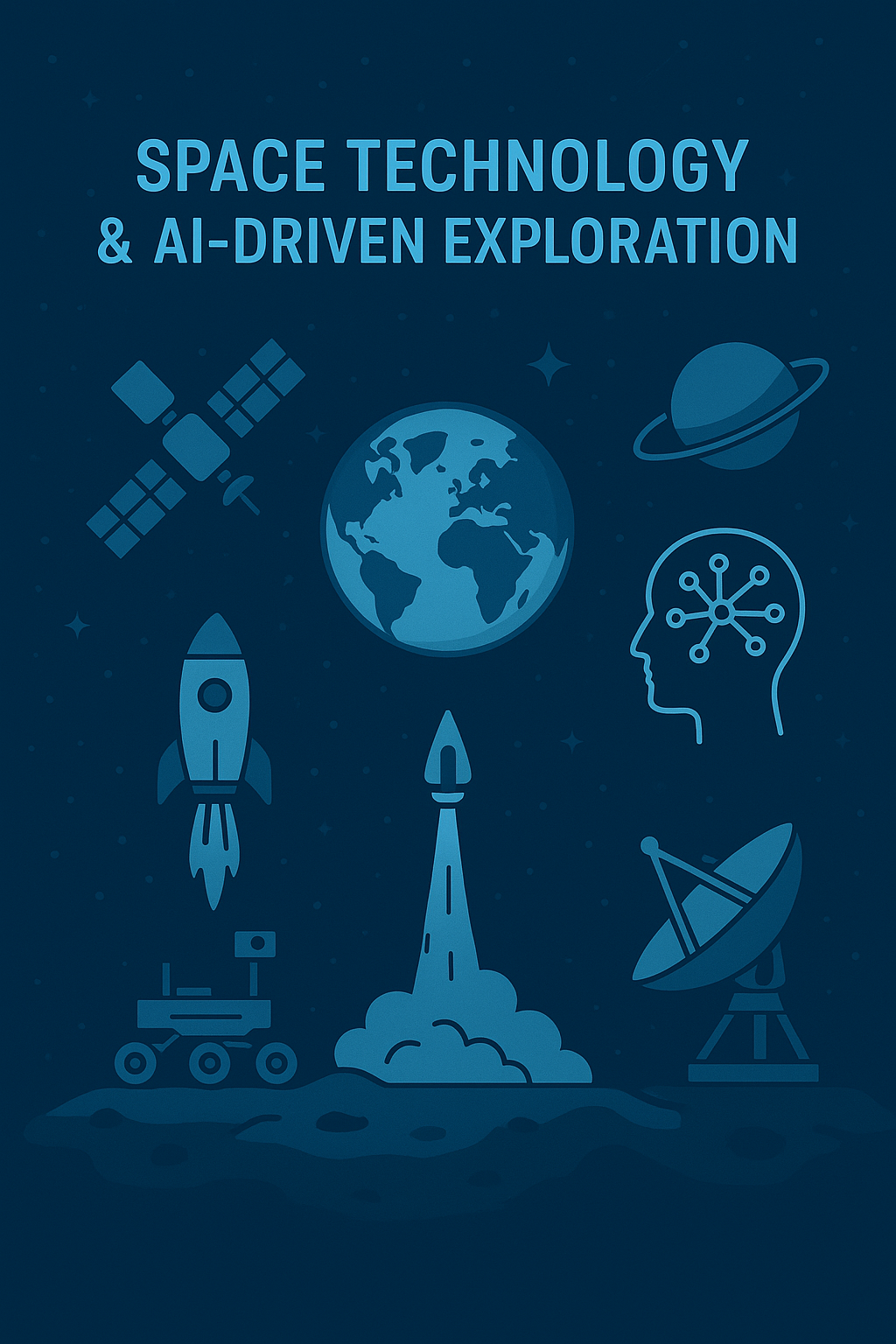
Space Tecnology & AI-Driven Exploration
Important / Motivation Enabling Technologies in Space + AI Here are key technologies that underpin space technology and AI‐driven exploration: A. Launch Systems & Spacecraft Platforms B. Sensors & Instrumentation C. Communication & Networking D. Autonomy, Robotics & AI E. Data Processing & Analytics F. In Situ Resource Utilisation (ISRU) & Robotics G. Space Situational…
-
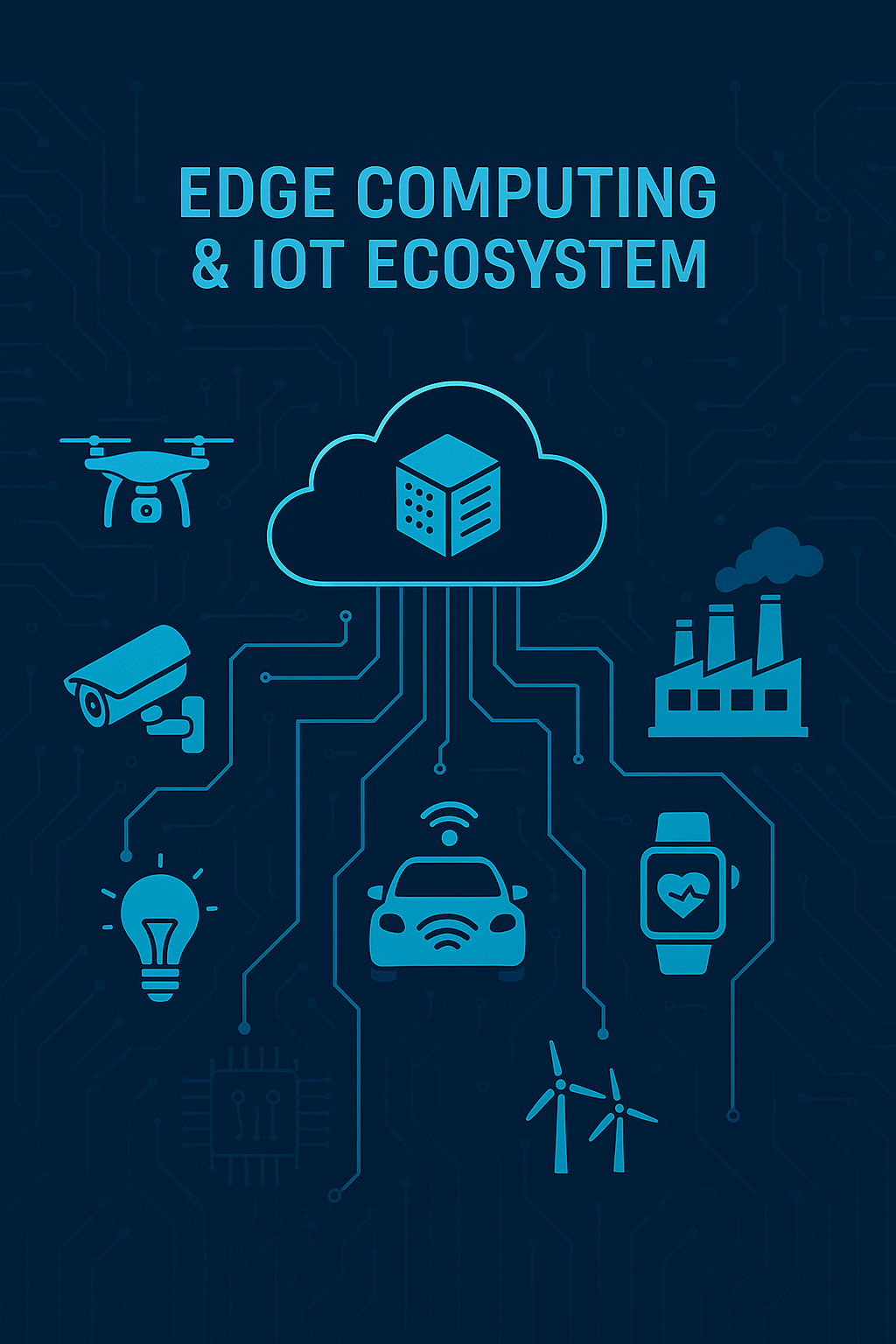
Edge Computing & IoT Ecosystem
The Internet of Things (IoT) is a network of interconnected devices, sensors, machines, and systems that collect and exchange data with minimal human intervention.These devices — ranging from household appliances to industrial machines — communicate over the internet to perform intelligent, automated functions. IoT = Sensors + Connectivity + Data + Intelligence Edge Computing Edge…
-
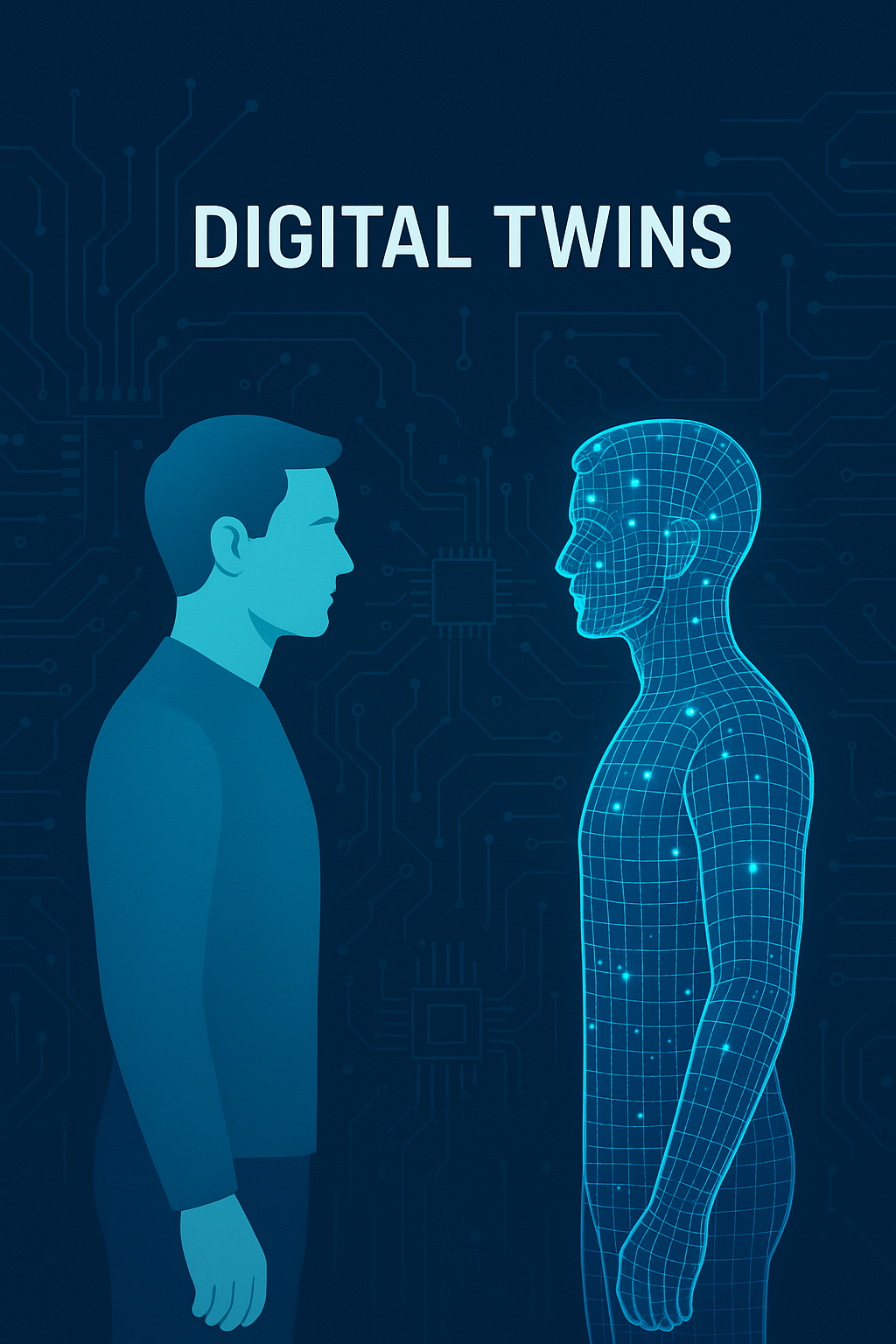
Digital Twins
A Digital Twin (DT) is a virtual representation of a physical object, system, or process that is continuously updated with real-time data to mirror its behavior, performance, and state. It’s not just a 3D model — it’s a living digital replica that evolves alongside its physical counterpart through sensors, data analytics, and AI. In simple…
-
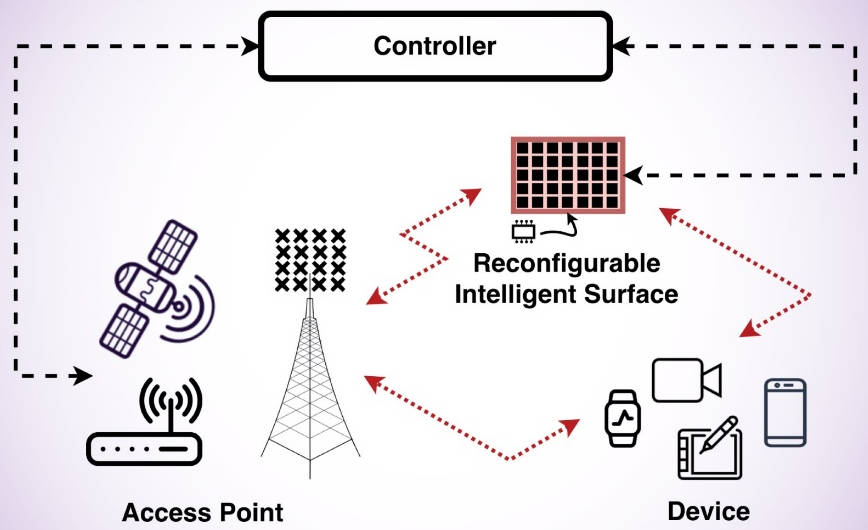
6G & Advanced Wireless Networks
6G (Sixth Generation Wireless) is the next generation of mobile communication technology, expected to succeed 5G and 5G-Advanced around 2030.It represents a convergence of communication, computation, sensing, and artificial intelligence, enabling ultra-high-speed, ultra-low-latency, and intelligent global connectivity. Goal: 6G will connect people, devices, machines, and environments in real time — integrating the physical, digital, and…
-

Nanotechnology
Nanotechnology is the science, engineering, and application of materials and devices at the nanoscale — typically 1 to 100 nanometers (nm) in size. Core Concept At the nanoscale, materials exhibit unique physical, chemical, optical, and biological properties not seen at the macroscopic scale.Nanotechnology exploits these properties to design new materials and systems. The Nanoscale: Why…
-

Biotechnology & Gene Editing
Biotechnology is the use of living organisms, biological systems, or derivatives to make or modify products and processes for a specific use — in medicine, agriculture, industry, and environmental management. Branches of Biotechnology Field Focus Examples Red Biotechnology (Medical) Healthcare and pharmaceuticals Gene therapy, vaccines, personalized medicine Green Biotechnology (Agricultural) Crop and animal improvements GMO…
-
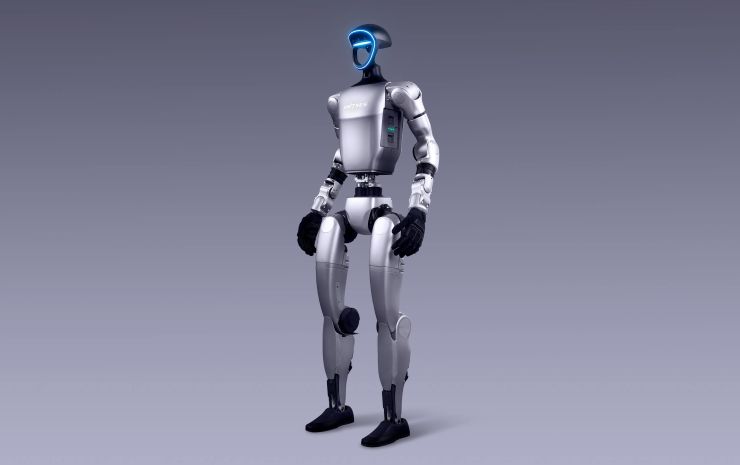
Robotics & Humanoid Robots
Robotics represents the convergence of mechanical engineering, artificial intelligence, electronics, sensors, biomimicry, and cognitive science to create machines capable of perceiving the world, acting within it, and performing tasks once exclusive to humans. Over time, robots have evolved from simple mechanical arms in factories to intelligent, adaptive systems capable of reasoning, learning, and interacting with…
-
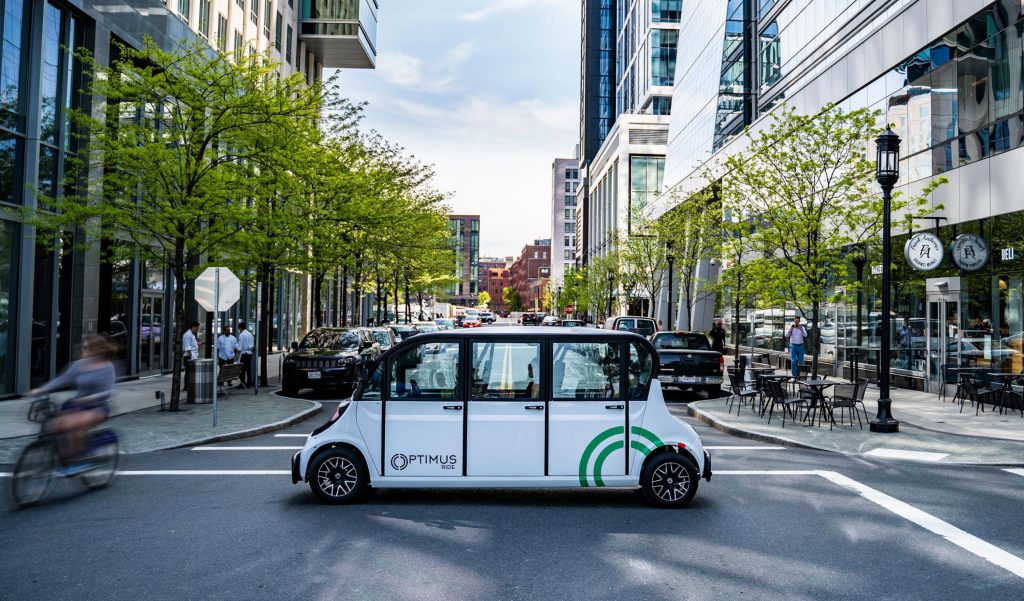
Autonomous Vehicles & Smart Mobility
Autonomous vehicles and smart mobility represent a fundamental reimagining of transportation, where machines navigate roads, coordinate routes, communicate with each other, and carry people and goods with minimal human involvement. This new era of mobility is driven by advances in artificial intelligence, robotics, sensors, real-time mapping, connectivity, and sustainable energy technologies. Instead of humans making…